The Complete Guide to HVAC for New Homeowners in Denver
Published: 2026-04-04 · By VortexPlus Heating and Cooling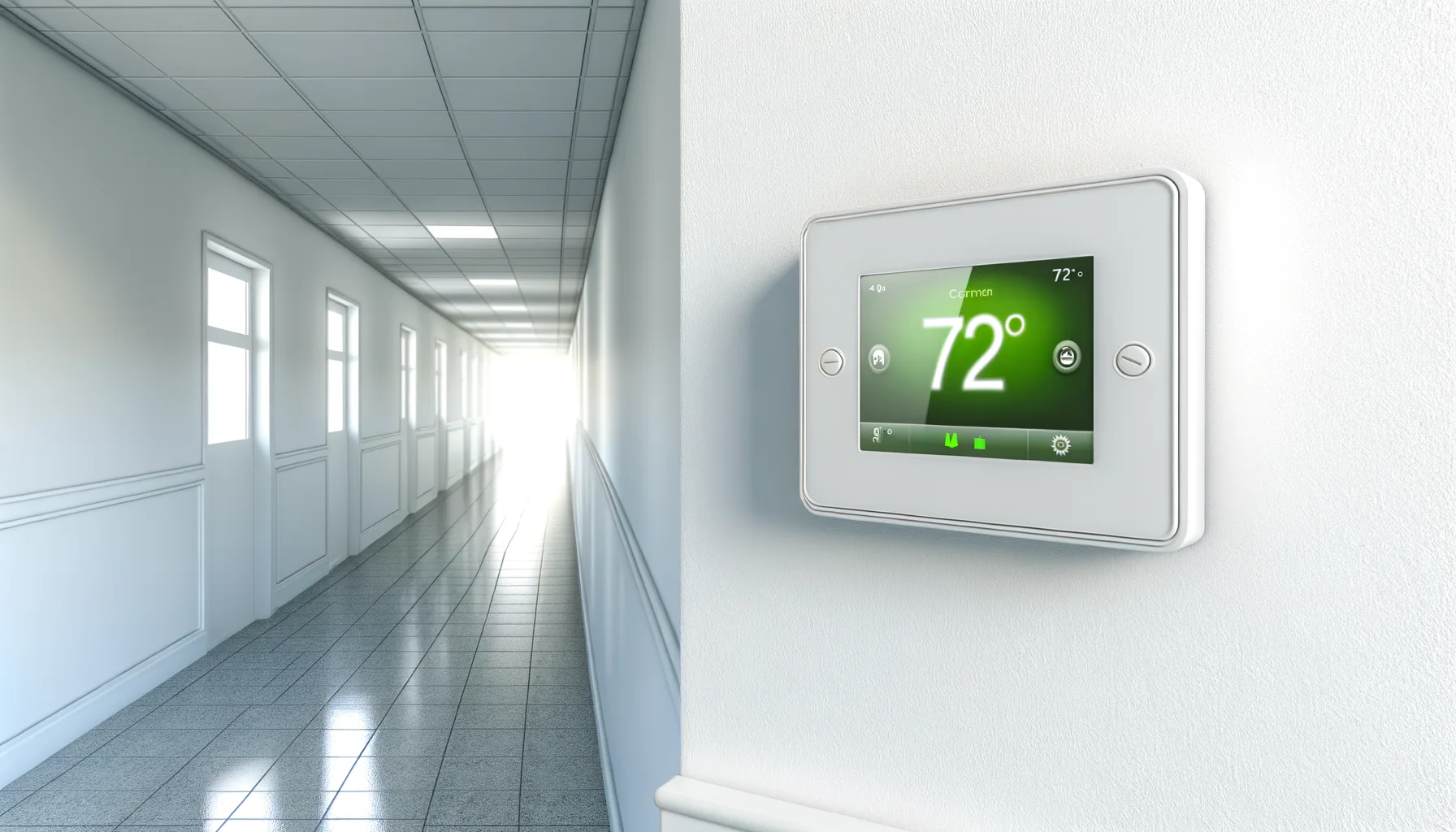
Congratulations on your Denver home purchase. Among the many new responsibilities you're taking on, your HVAC system deserves your attention. Whether you've closed on a Stapleton new build, a Capitol Hill renovation, or a Highlands rowhome, understanding your heating and cooling system prevents costly mistakes and ensures years of comfort. This guide walks you through the essential knowledge every new homeowner needs.
How Your HVAC System Works
HVAC stands for Heating, Ventilation, and Air Conditioning. These functions can be delivered by separate systems or combined. Most Denver homes have a furnace for heating (burning natural gas to produce heat) and a central air conditioning system. Some homes have heat pumps (which heat and cool using refrigerant), mini-splits (ductless systems with indoor and outdoor units), or hybrid systems. Your furnace or heat pump connects to ductwork that distributes air throughout your home. A thermostat controls when systems run and what temperature they maintain. Air returns to the furnace through return vents, gets filtered and heated or cooled, and redistributes. It's a continuous cycle, repeated thousands of times per heating and cooling season. Understanding this basic flow helps you recognize when something isn't working right.
Your Equipment's Age and Condition
Before closing on your home, ask the previous owner or inspector about HVAC equipment age. New furnaces typically last 15-20 years. Air conditioners and heat pumps last 12-18 years. Equipment nearing the end of its lifespan becomes less efficient and more repair-prone. If your home has original equipment from the 1990s or earlier, replacement within the next few years is likely. Don't panic—equipment that still works can continue working while you save for eventual replacement. Just budget for repairs and higher energy costs. If your home inspection included an HVAC assessment, review those findings. Understanding what you have prevents surprises and helps with long-term planning.
Filter Replacement: Your Most Important Monthly Task
Your furnace and air handler have an air filter that traps dust, pollen, and debris. This filter must be replaced monthly during heating and cooling seasons (even more frequently if you have pets or allergies). Clogged filters restrict airflow, making your system work harder, increasing energy costs, and reducing comfort. Replacement is inexpensive (filters cost $15-$30) and takes five minutes. Standard 1-inch filters work fine for most homes. HEPA filters filter more thoroughly but restrict airflow more, so confirm your system can accommodate them before upgrading. Many new homeowners neglect filter replacement, causing unnecessary equipment stress. Mark your calendar to replace filters on the first of each month during heating (October-April) and cooling (May-September) seasons.
Schedule Your First Furnace Tune-Up
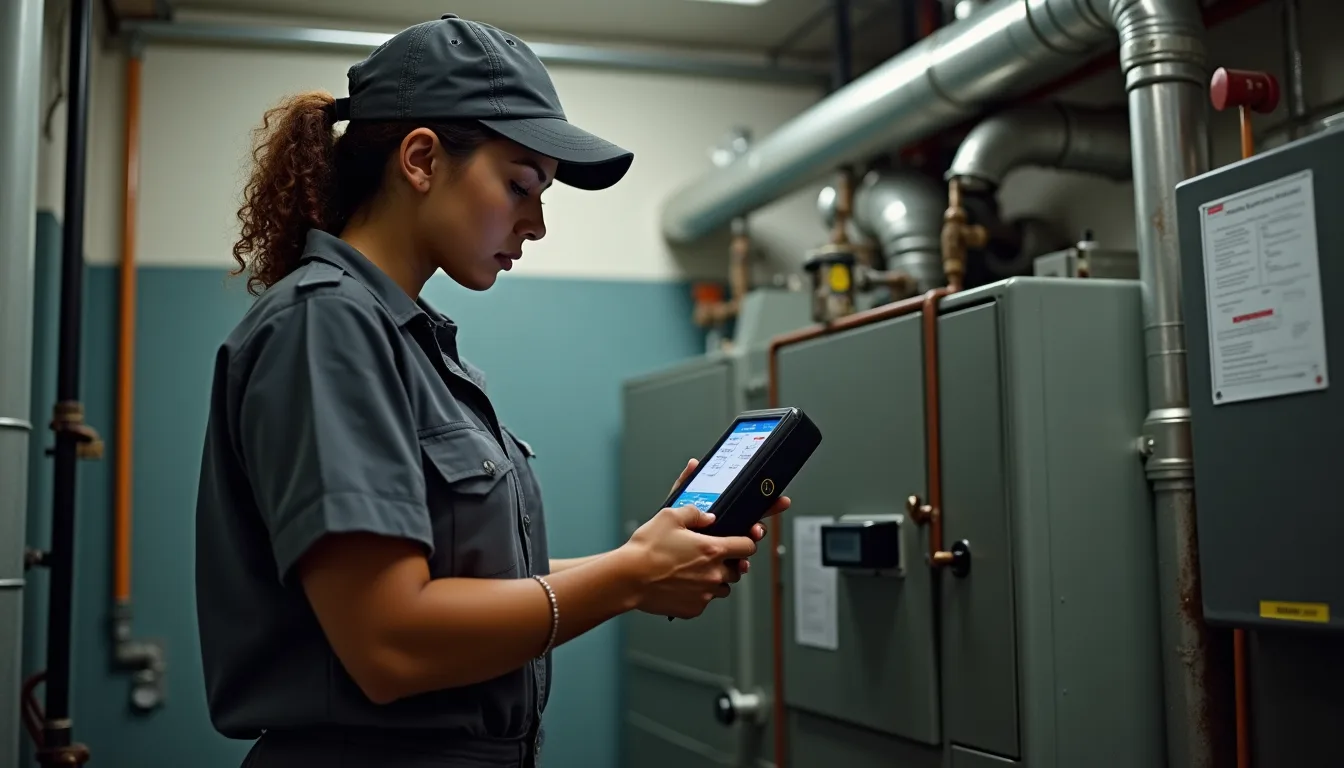
Before your first winter heating season, schedule a furnace inspection and tune-up. This includes combustion analysis (especially important for Denver altitude), cleaning burners, inspecting the heat exchanger for cracks, testing thermostat operation, replacing air filters, and lubricating moving parts. Tune-ups cost $150-$250 and take an hour. They establish a baseline for your system's condition, catch small problems before they become big repairs, and ensure safe operation. Schedule this in fall, before heating season begins. If you inherit a furnace that hasn't been serviced in years, this first tune-up is particularly important. A technician will uncover any issues and explain your equipment's condition clearly.
Understand Denver's Seasonal Demands
Denver's climate challenges your HVAC system differently than other regions. Winters are cold but often dry. Heating runs frequently, and homes become very dry, making humidifiers valuable. A whole-home humidifier adds moisture during winter, improving comfort and protecting your home's wood floors and finishes. Spring arrives with unpredictable snow and rapid temperature swings. Your system cycles between heating and cooling within single days. Summer brings intense heat—July temperatures regularly reach 90 degrees. AC runs continuously. Humidity is low but absolute cooling load is high. Fall is brief. Rapid cooling requires furnace and AC to both be in prime condition. Year-round, your system works hard. Budget for seasonal tune-ups and prepare mentally for running heating or cooling most of the year.
Smart Thermostat Upgrades
If your home has an old mechanical or basic digital thermostat, upgrading to a smart thermostat is worthwhile. Smart thermostats learn your schedule, adapt to weather, and allow remote control via smartphone. Popular options include Nest, Ecobee, and Honeywell Home. Installation costs $100-$300 and saves $10-$20 monthly on energy costs for many homeowners. Some Denver utilities (like Xcel Energy) offer rebates for smart thermostat installation. Smart thermostats help you participate in demand response programs where you allow the utility to adjust your AC slightly during peak demand in exchange for rate discounts. If you're technically comfortable, many smart thermostats install without professional help. Otherwise, an HVAC technician can handle installation for a small fee.
Know Your Air Filter Location and System Components
Tour your home with your HVAC documentation. Locate the furnace or air handler (typically basement or utility room). Find the air filter location—it might be in the furnace, in a filter rack on the side, or in a return duct. Identify your thermostat. Know where outside AC condenser is located. Understanding where components are prevents confusion when you need to troubleshoot. Document equipment model numbers and serial numbers for future reference. Take photos. This information is valuable if you need emergency service and can't easily describe your system over the phone.
Budget for Maintenance and Eventual Replacement
New HVAC equipment is expensive—furnace replacement costs $3,000-$6,000; AC replacement costs $2,500-$5,000; complete system replacement ranges $6,000-$12,000 depending on equipment quality and your home's ductwork. While this seems steep, spread over 15-20 years of equipment lifespan, it's manageable if budgeted. Set aside $100-$200 monthly during equipment's lifespan to create a replacement fund. Also budget $150-$300 annually for tune-ups and filters. Regular maintenance extends equipment life and prevents costly emergency repairs. Deferred maintenance guarantees earlier replacement and higher costs.
Understand Ductwork and Zoning
Your home's comfort depends partly on ductwork design. Well-designed ducts deliver consistent airflow throughout the home. Poorly designed ducts create hot and cold spots. Some Denver homes, particularly older ones, have undersized or damaged ductwork. If certain rooms stay too hot or cold, ductwork problems might be the cause. Professional ductwork sealing and balancing can improve comfort without replacing ducts. Two-story homes sometimes benefit from zoning systems—separate thermostats or dampers for upstairs and downstairs that allow different temperatures. If your home has multiple thermostats, learn how they control different areas.
Prepare for Emergencies
Furnaces fail in January cold snaps. AC breaks during July heat waves. You need a service company ready for emergencies. Before you experience a problem, identify a reliable HVAC contractor and save their number. Knowing you have a trusted resource for 24/7 service prevents panic if your system fails. Build a relationship with a contractor through regular maintenance so they know your system when emergencies occur.
HVAC systems are complex, but understanding basics empowers you to make good decisions and maintain your home effectively. New homeowners often ignore their systems until they fail. By starting with knowledge, regular maintenance, and smart upgrades, you'll extend your equipment's lifespan, reduce energy costs, and maintain comfort. If you have questions about your Denver home's HVAC system, call VortexPlus at (719) 220-9913 for guidance tailored to your situation.