How to Prepare Your Home for HVAC Service
Published: 2026-04-04 · By VortexPlus Heating and Cooling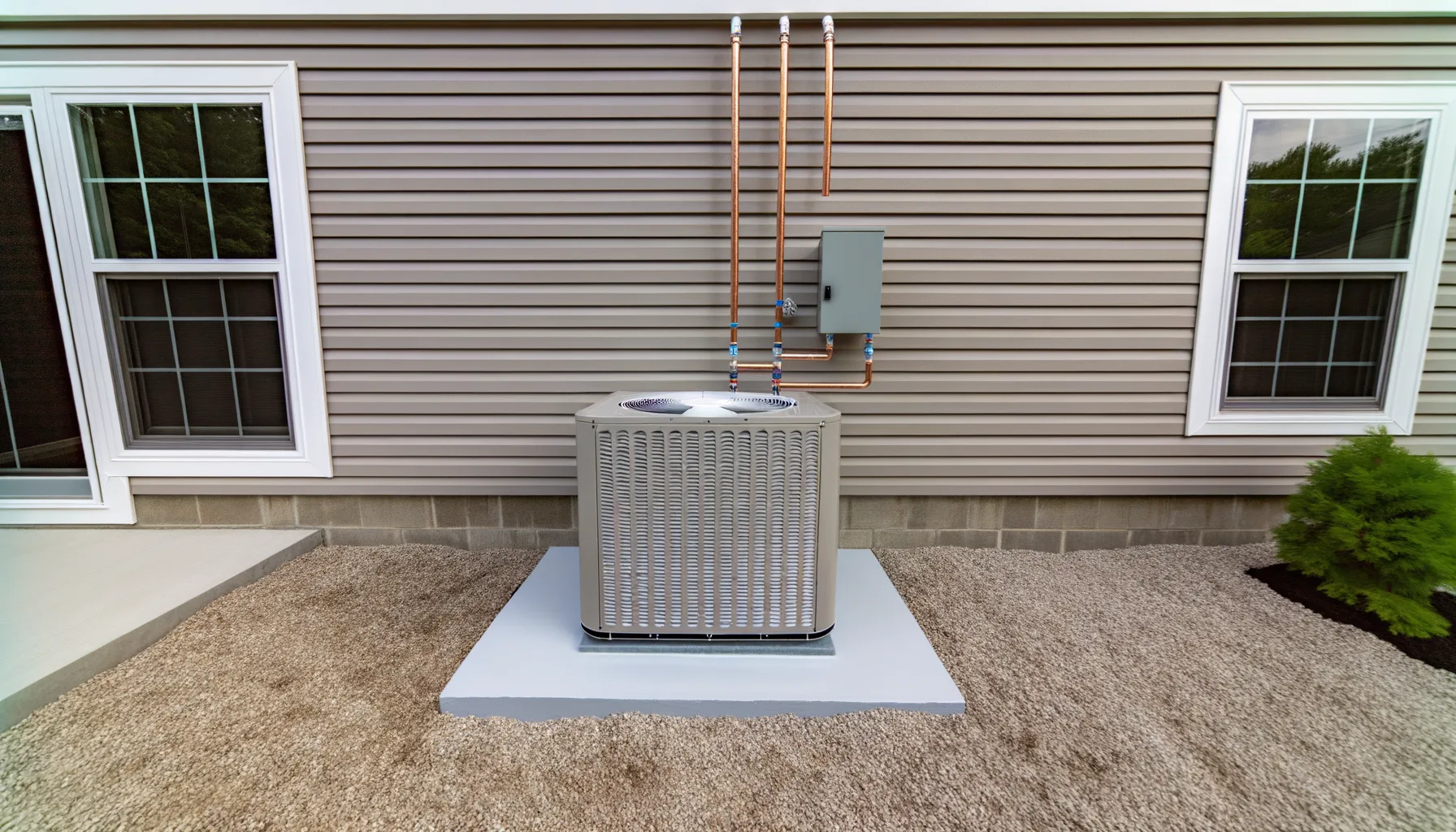
Your HVAC service appointment is scheduled, and you might assume the technician handles everything. In reality, you can make their job easier and more productive by preparing your home. Ten minutes of prep work on your end often translates to faster diagnostics, clearer findings, and better recommendations.
Clear Access to Your Equipment
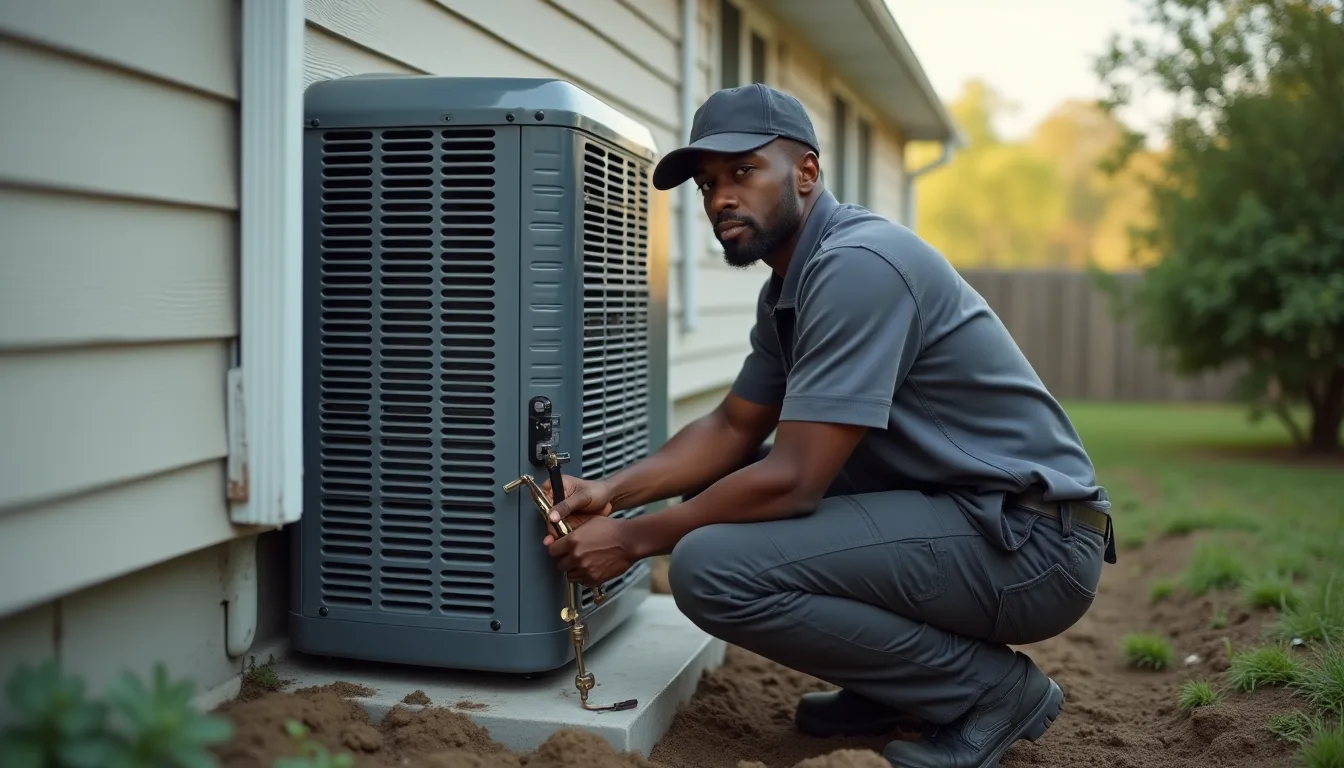
Your furnace, air handler, or outdoor AC unit needs clear space around it. If your furnace is in a basement or utility closet, remove boxes, storage items, and clutter within three feet of the unit. Technicians need room to work safely—they'll be crawling behind equipment, accessing panels, and potentially replacing components. If your AC condenser is in a side yard, trim back bushes and remove garden furniture. A clear work area prevents delays, reduces accident risk, and allows the technician to complete the job efficiently. If pets or small children are in the home, mention this upfront so the technician can plan accordingly. Pets shouldn't be near the work area—stressed animals can distract technicians or wander into hazardous spaces.
Locate Your Thermostat and Note Recent Changes
Before the appointment, find your thermostat and check its settings. If it's a programmable or smart model, note the schedule and any recent changes you made. When a technician arrives, they'll test your thermostat operation as part of the service. Knowing whether you recently reprogrammed it or if it was working fine until yesterday helps them diagnose faster. If your home has zones (separate thermostats for upstairs and downstairs, common in Denver two-story homes), locate all of them. Document any unusual thermostat behavior—if it's reading temperature incorrectly, won't hold a setting, or displays error codes, write this down and share it when the technician arrives. This context helps tremendously.
Document Your System's History and Symptoms
Before the technician arrives, jot down answers to these questions: When was your last service? Do you remember what was done? Is the system noisier than usual? Are certain rooms warmer or cooler than they should be? Does your heating or cooling seem less effective than last season? Have you noticed any strange smells? This information helps technicians pinpoint problems faster than guessing. If you have maintenance records, gather them. Knowing that your furnace had its last tune-up in October or that your AC was serviced last summer establishes a baseline and helps technicians prioritize work. If you've noticed problems developing over weeks, describe the timeline. Did the issue start suddenly or gradually? Context is diagnostic gold.
Prepare Questions You Want Answered
Write down any questions before the appointment. Should you upgrade to a newer thermostat? Is your ductwork performing optimally? Do you need a whole-home humidifier for Denver's dry winters? Are there preventive maintenance steps that could extend your equipment's lifespan? When the technician finishes their primary work and you have them in front of you, you can ask these questions. Most technicians appreciate informed customers who've thought through their HVAC situation. Having questions written down prevents you from forgetting them after the technician leaves.
Arrange Safe Payment and Contact Information
Know how you'll pay before they arrive. Do they take credit cards, checks, or bank transfers? Most modern HVAC companies offer multiple payment options and can process payment on-site with a credit card reader. Have your contact information readily available in case the technician needs to confirm details or follow up with questions. If you're not home during service, arrange for the technician to have entry access and know who they should contact with findings. Clear communication prevents missed appointments or misunderstandings.
Plan for Temperature During Service
If you're having furnace service in winter or AC service in summer, consider comfort during the appointment. Service might temporarily disable your system for testing. A technician working on your furnace in January will likely need to shut down heating for short periods. If you have children or elderly household members sensitive to temperature changes, schedule appointments when it's convenient to manage brief comfort disruptions. You might crack open a window in summer while AC is being serviced, or have warm blankets available in winter. Minor planning prevents discomfort.
HVAC technicians in Denver see homes prepared and unprepared daily. The prepared homes allow faster work, clearer diagnostics, and better conversations about next steps. Simple preparation costs nothing but saves time and often prevents unnecessary complications. Call VortexPlus at (719) 220-9913 to schedule your service and ask any other questions about what to prepare.