How Denver Building Codes Affect Your HVAC Needs
Published: 2026-04-04 · By VortexPlus Heating and Cooling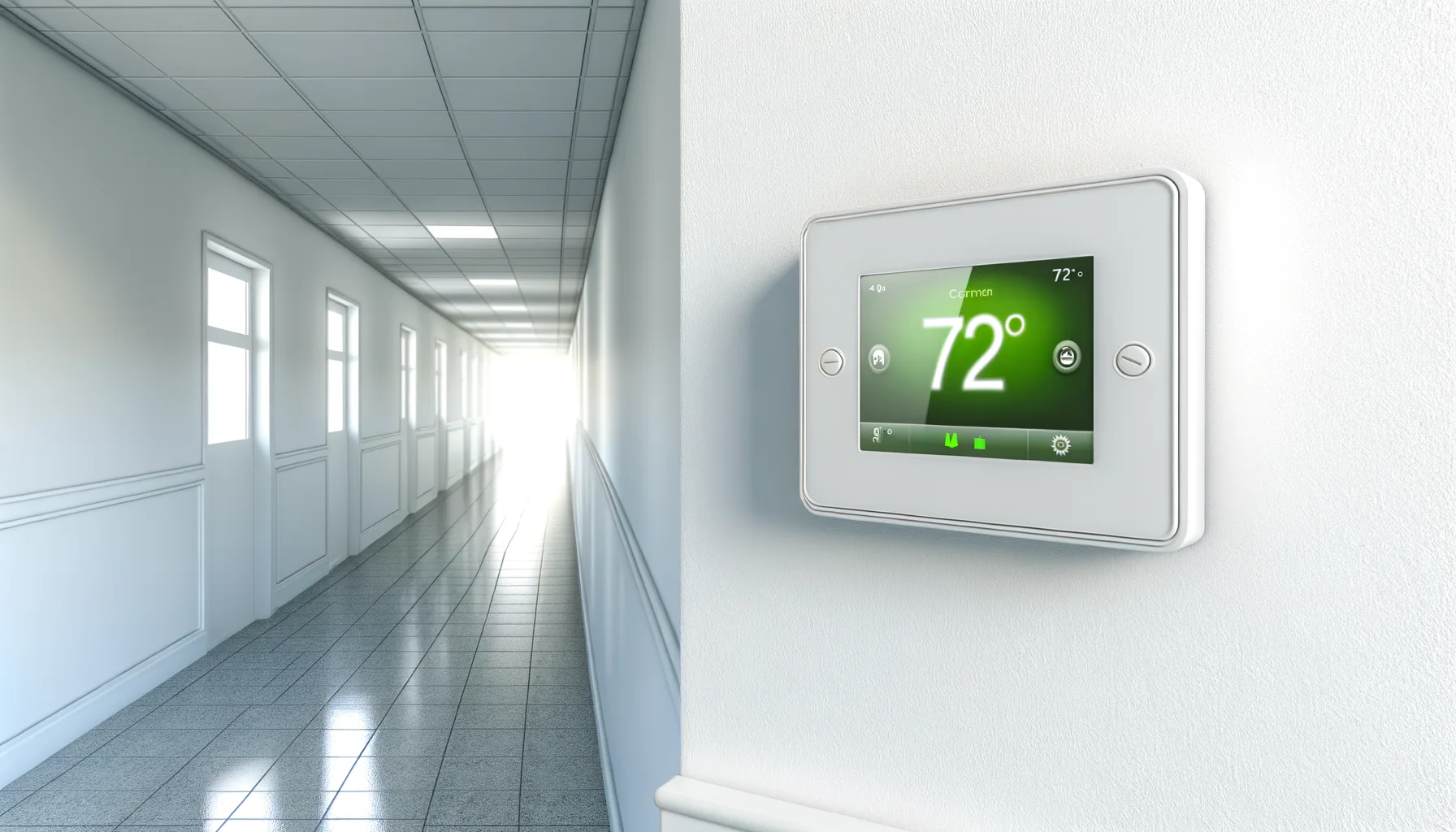
You've probably heard that Denver sits at 5,280 feet elevation. What you might not know is how dramatically that altitude changes HVAC equipment behavior and building code requirements. When air is thinner, furnace combustion operates differently, air conditioning efficiency changes, and certain safety measures become mandatory rather than optional.
Altitude Combustion Tuning Above 5,280 Feet
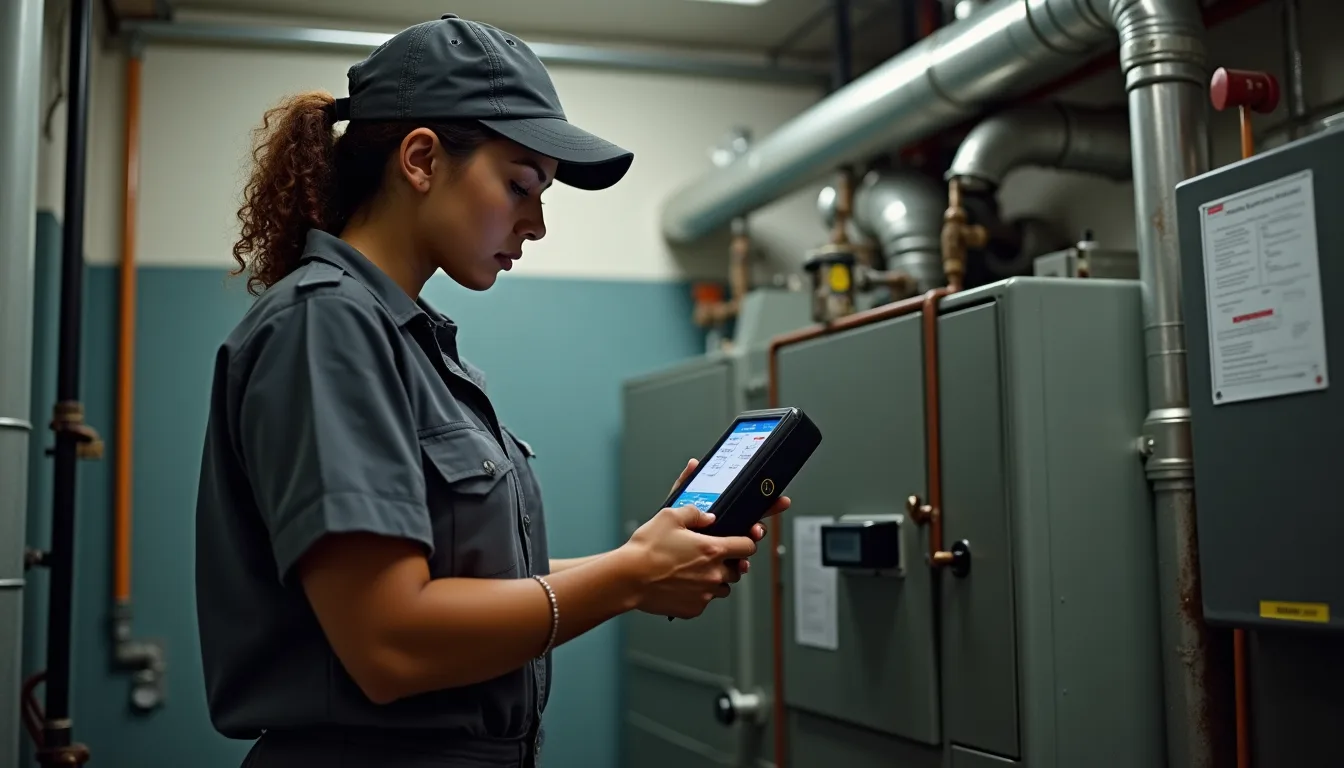
Furnaces work by burning natural gas or propane at precise air-to-fuel ratios. At sea level, this ratio is straightforward. In Denver, thinner air means less oxygen per cubic foot of space, so furnaces need different settings to burn efficiently and safely. Building codes require technicians to perform combustion analysis—a test that measures oxygen levels, carbon monoxide, and draft pressure—to verify safe operation. Under-tuned furnaces produce carbon monoxide. Over-tuned units waste fuel. Denver building inspectors require documentation that your furnace was tested and tuned for local altitude. Contractors who skip this step may be cutting corners. Quality installations include combustion analysis as standard, not as an add-on. VortexPlus performs altitude-specific tuning on all furnace installations because Denver code demands it and your safety depends on it.
Combustion Air and Radon Mitigation Coordination
Furnaces need outside air for combustion. Sealed homes—especially retrofitted historic Capitol Hill bungalows—can create pressure imbalances. If your home has radon mitigation (a system that vents radon gas from beneath your foundation), the HVAC system and radon system must be coordinated. If they conflict, the radon mitigation fails or the furnace struggles for combustion air. Denver's radon-prone geology makes this coordination critical. Building codes now require contractors to discuss radon mitigation during HVAC planning. If you're upgrading your furnace and have radon mitigation, we involve both systems in the design. This prevents future problems and ensures your furnace doesn't accidentally draw radon-contaminated air into the combustion chamber.
Ductwork and Air Return Requirements
Denver code specifies minimum duct sizes based on system capacity and home size. Undersized ducts restrict airflow, reducing heating and cooling efficiency. Oversized ducts waste space and money. Your home's square footage, number of return vents, and insulation quality determine proper duct sizing. New construction and major renovations require ductwork to meet code specifications. Older homes built before current codes might have grandfathered systems—meaning they don't meet current standards but can continue operating. When you upgrade equipment, you may be required to upgrade ductwork to match, depending on scope. Inspectors evaluate this during permit approval. Understanding ductwork requirements prevents surprises during installation.
Smart Thermostat and Demand Response Programs
Denver's Xcel Energy offers rebates and demand response programs for smart thermostats that reduce peak load demand during hot summer days. Building codes don't mandate this, but energy code recommendations increasingly encourage it. A demand response thermostat automatically adjusts your AC slightly during peak hours, reducing strain on the grid and lowering your bill. If you install a new cooling system, coding in smart thermostat capability costs little but qualifies you for Xcel rebates worth $100-$300. Ask your contractor about these programs—they reduce your equipment cost while benefiting the community.
Permit and Inspection Requirements
Denver requires permits for HVAC installations, replacements, and significant upgrades. Permits cost $150-$300 and require final inspection after work completes. Contractors who say "permits are optional" are breaking code. Proper permits protect you: they ensure work meets code, create a record for future home sales, and validate warranty coverage. Some manufacturers void warranties if installation wasn't permitted and inspected. The permit process adds 1-2 weeks to timelines but prevents costly code violations. Reputable Denver contractors include permitting in their pricing and timeline.
Building codes exist because people learned—sometimes tragically—what happens when systems aren't designed properly. Denver's codes reflect lessons about altitude, radon, combustion safety, and climate extremes. Contractors who understand and respect these codes provide safer, more reliable systems. If your project requires permitting or you're upgrading a historic home, call VortexPlus at (719) 220-9913 to discuss Denver-specific requirements.